
To ‘harmonize’ better: Air Force developing new defensive cyber campaign plan
The plan will synchronize defensive cyber activities and focus especially on critical infrastructure, an Air Force official said.
The plan will synchronize defensive cyber activities and focus especially on critical infrastructure, an Air Force official said.
“We need to make sure that technical debt is not pre-framed as just cost. There's a lot more that comes with technical debt. There's people, there's operational aspect, there's efficiencies," warned Caroline Bean, director of joint enterprise services at DISA.

Army vehicles like Bradley need greater power at the sprocket for speed, braking, and manueverability.
The legislation proposes that if one office in the department officially deems a "cloud-based platform, service, or application" is sufficiently cybersecure to use, then all parts of DoD can accept this ATO.
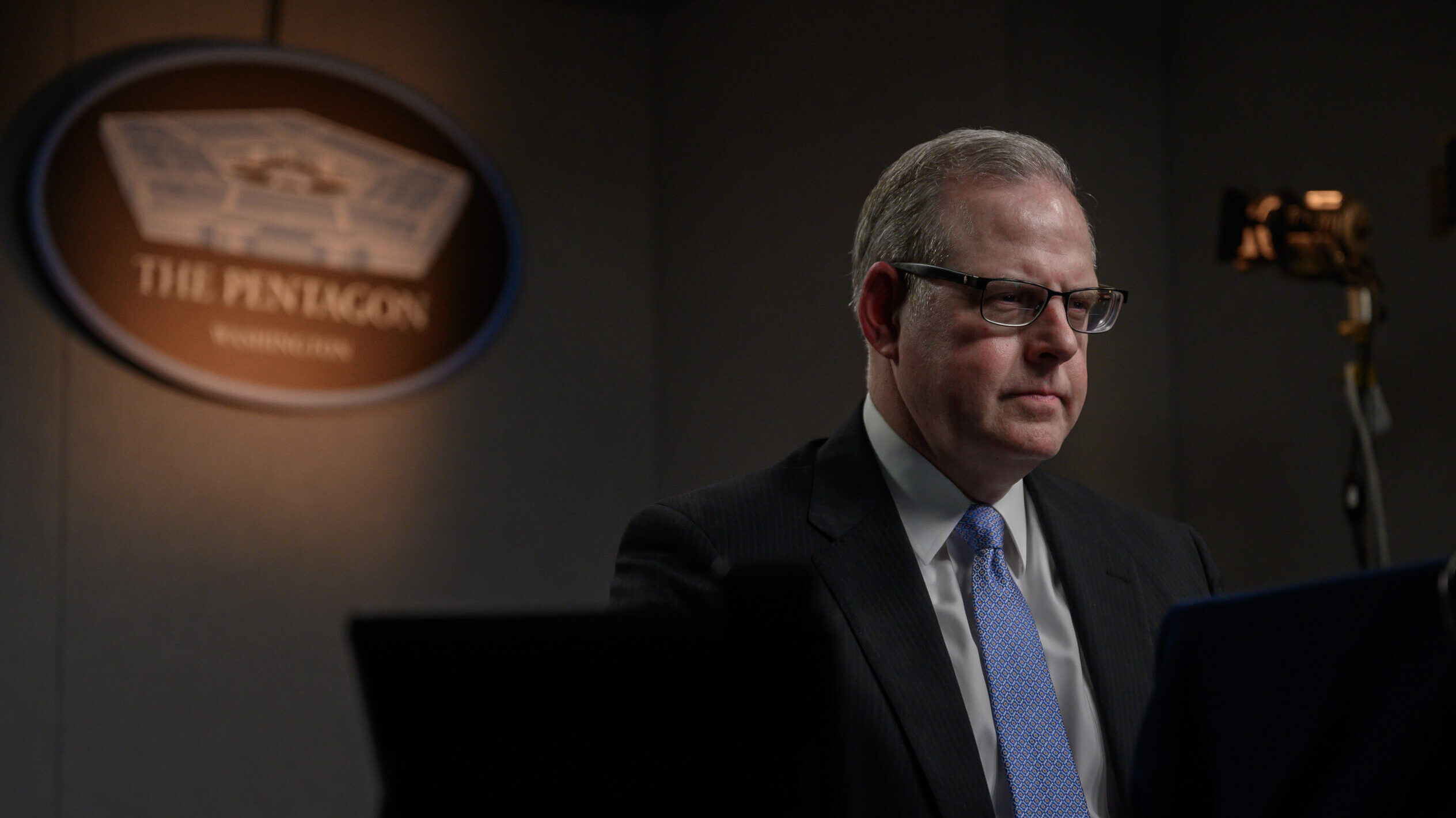
“We’ve heard you loud and clear on this within the DoD. I’m not going to say this is going to solve every bit of it, but it’s going to help us a bit,” Pentagon CIO John Sherman said.

Digital Bloodhound will develop tools such as the Manticore software suite that identifies cyber vulnerabilities, and the Kraken software that throws up real-time defenses against ongoing attacks.

"If we're gonna protect and defend the architecture, it can't be just something that we do against just the space threat. It's got to be against the holistic threat of both space and cyber," said SSC's Brig. Gen. Tim Sejba.


Lithium-metal batteries are one way to break the weight and endurance limits of today’s unmanned systems.
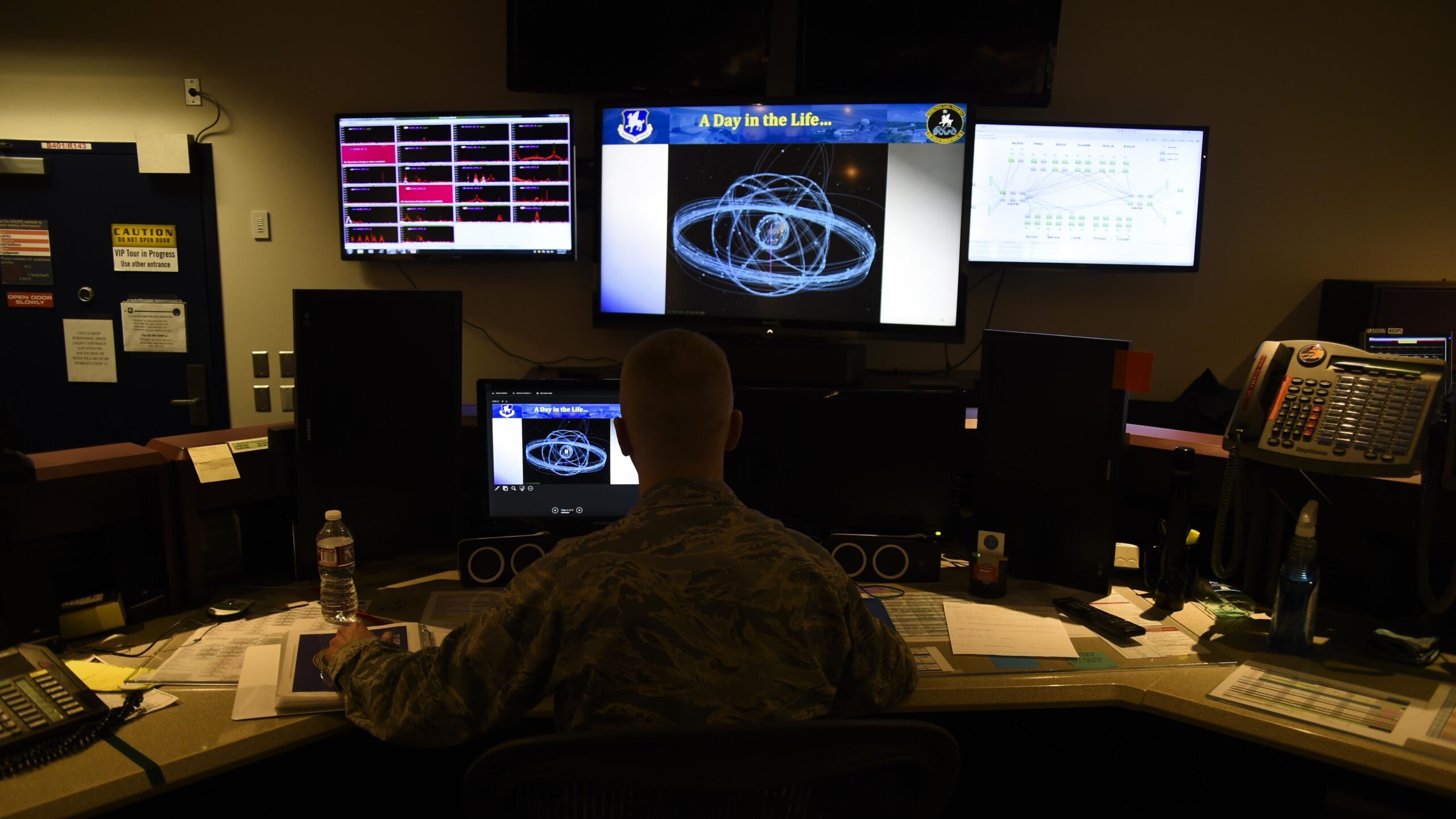
Space Force's Delta 6, known as the "Cyber Delta," currently has three squadrons assigned to cyber defense. Four new squadrons will stand up in the summer, Col. Roy Rockwell, who heads the delta, said.

Los-Angeles cybersecurity company sets its sights on rapidly expanding across the Sahel G5 region with AI-powered solutions for defense

New campaign is evidence "Russia is trying to gain long-term, systematic access to a variety of points in the technology supply chain and establish a mechanism for surveilling — now or in the future — targets of interest to the Russian government," researchers say.

"We're on the defense," Ron Bushar, senior vice president at Mandiant says. "I don't think we've hit a real deterrence level in this space yet. And that's going to be key to thinking through our strategy over the next few years."

As threats continue to evolve, speed will increasingly depend on what is already available when the need emerges.